
Reviews
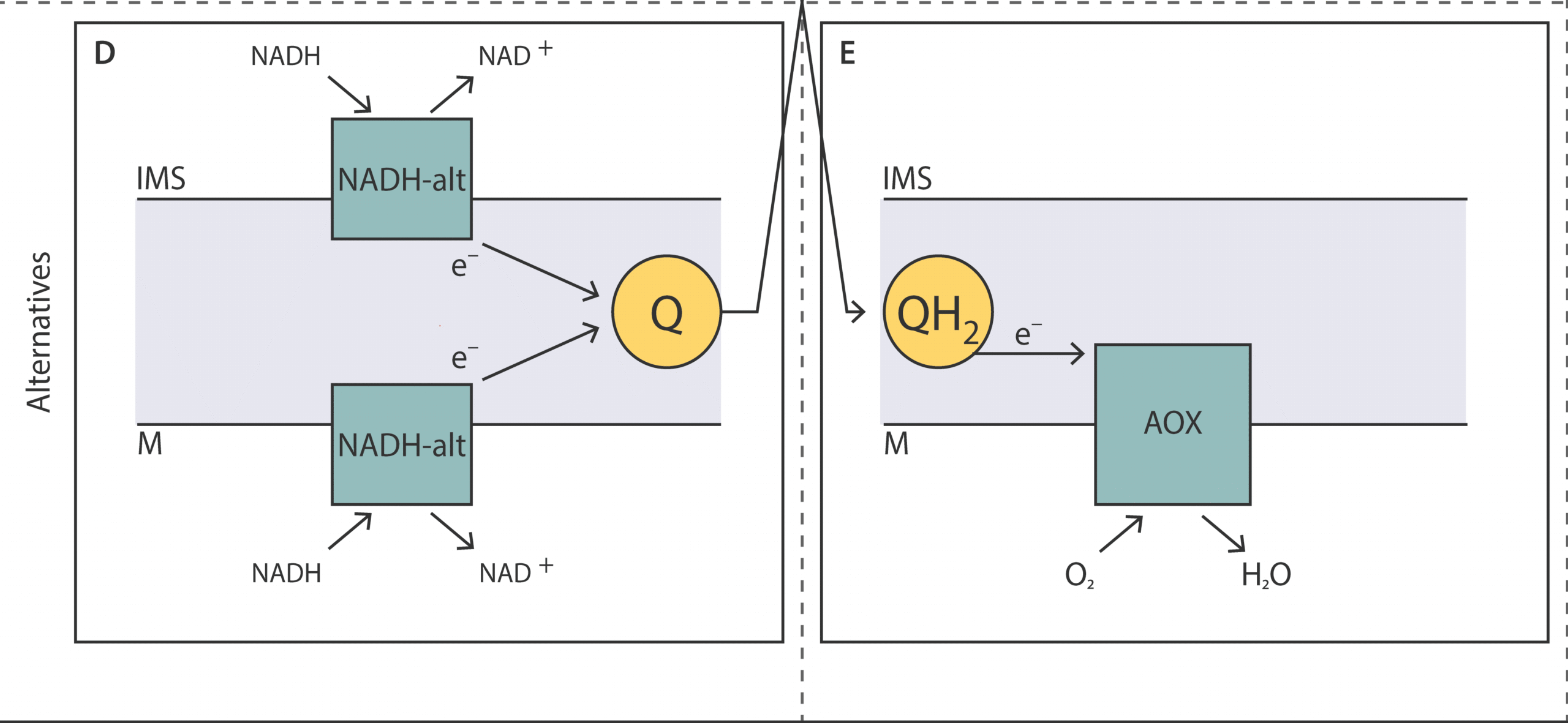
Unveiling the molecular architecture of the mitochondrial respiratory chain of Acanthamoeba castellanii
Christian Q. Scheckhuber1, Sutherland K. Maciver2 and Alvaro de Obeso Fernandez del Valle1
This review provides a comprehensive overview of the mitochondrial res-piratory chain in A. castellanii, focusing on the key alternative components involved in oxidative phosphorylation and their roles in energy metabolism, stress response, and adaptation to various conditions.

Efflux pumps: gatekeepers of antibiotic resistance in Staphylococcus aureus biofilms
Shweta Sinha1, Shifu Aggarwal2,3 and Durg Vijai Singh1
This review aims to elucidate the complex relationship between efflux pumps, antibiotic resistance and biofilm formation in S. aureus with the aim to aid in the development of potential therapeutic targets for combating S. aureus infections, especially those associated with biofilms.

Understanding the molecular mechanisms of human diseases: the benefits of fission yeasts
Lajos Acs-Szabo, Laszlo-Attila Papp and Ida Miklos
Here we collect the latest laboratory protocols and bioinformatics tools for the fission yeasts to highlight the many possibilities available to the research community. In addition, we present several limiting factors that everyone should be aware of when working with yeast models.
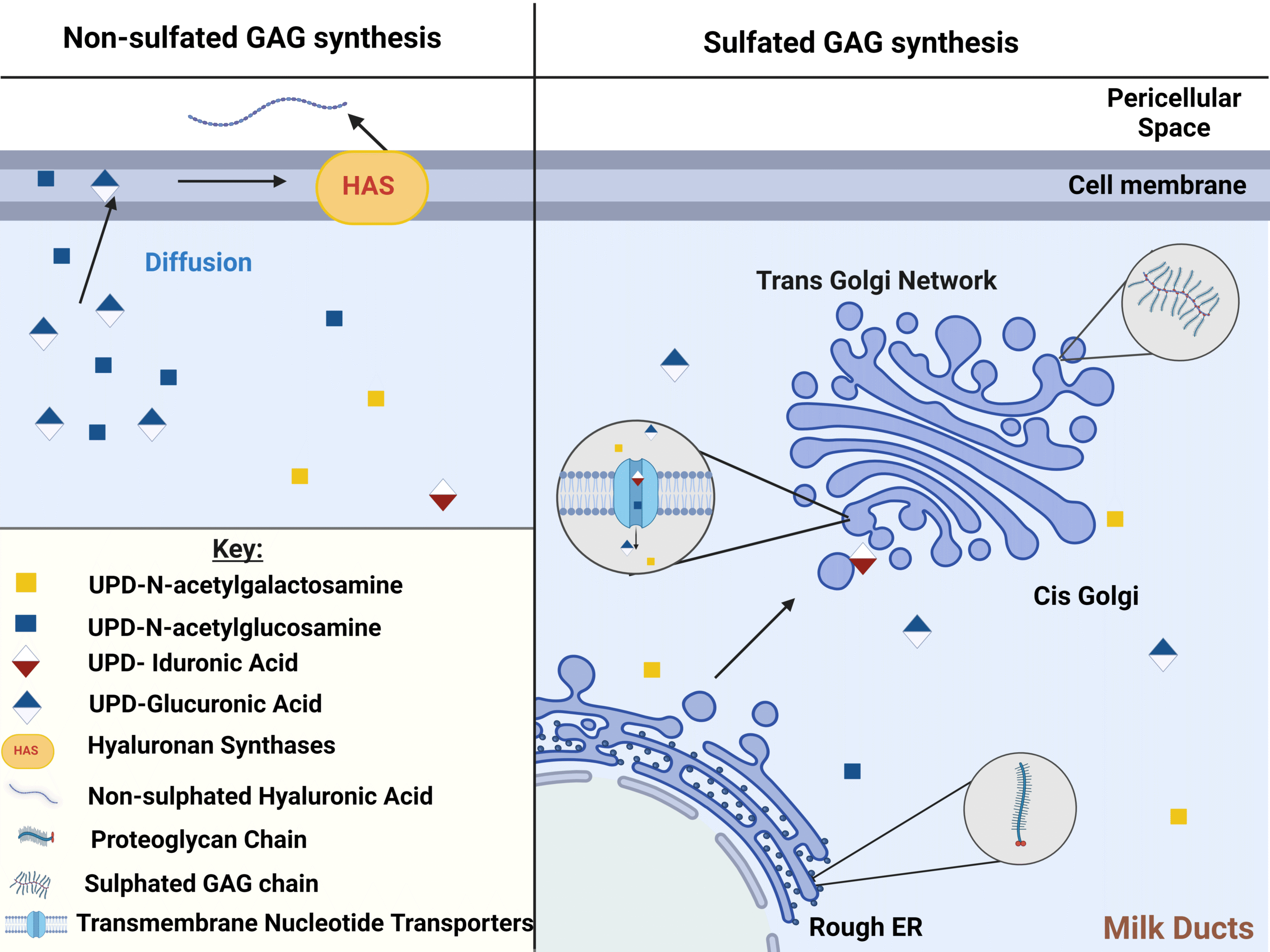
Characterising glycosaminoglycans in human breastmilk and their potential role in infant health
Melissa Greenwood1,2, Patricia Murciano-Martínez3, Janet Berrington4, Sabine L Flitsch5, Sean Austin2 and Christopher Stewart1
Glycosaminoglycans are bioactive components present in breast milk and play a potential key role in determining infant health yet are overlooked by many contemporary studies. This review explores their relevance, use and characterisation techniques.

Neutralizing the threat: harnessing broadly neutralizing antibodies against HIV-1 for treatment and prevention
Juan C Becerra1, Lauren Hitchcock1, Khoa Vu1 and Johannes S Gach1
This review provides an overview of the advancements in HIV- 1-specific broadly neutralizing antibodies and discusses the insights gathered from recent clinical trials regarding their application in treating and preventing HIV-1 infection.

From microbes to medicine: harnessing the gut microbiota to combat prostate cancer
Anjali Yadav1, Meenakshi Kaushik1, Prabhakar Tiwari1 and Rima Dada1
The gut microbiome (GM) has been identified as a crucial factor in the development and progression of various diseases, including cancer. This review highlights the important role that the GM may play in the development and progression of prostate cancer, through its influence on chronic inflammation, immune modulation, and other pathogenic mechanisms.
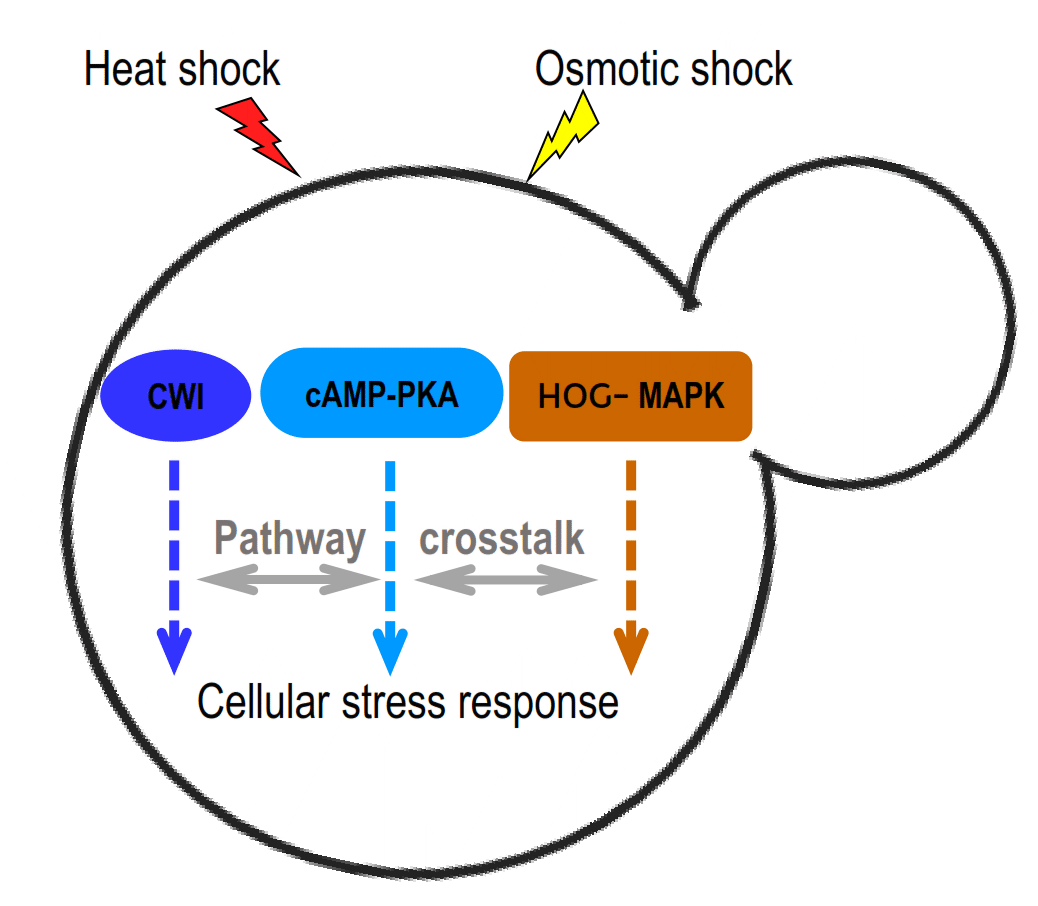
The cAMP-PKA signalling crosstalks with CWI and HOG-MAPK pathways in yeast cell response to osmotic and thermal stress
Fiorella Galello1, Mariana Bermúdez-Moretti1, María Clara Ortolá Martínez1, Silvia Rossi1 and Paula Portela1
During industrial fermentation yeast strains are exposed to fluctuations in oxygen concentration, osmotic pressure, pH, ethanol concentration, nutrient availability and temperature. The scope of this review is to outline the advancement of knowledge about the cAMP-PKA signalling and the crosstalk of this pathway with the CWI and HOG-MAPK cascades in response to the environmental challenges heat and hyperosmotic stress.

Phospholipases A and Lysophospholipases in protozoan parasites
Perrine Hervé1, Sarah Monic1, Frédéric Bringaud1 and Loïc Rivière1
In this review, we summarize the literature on phospholipases and lysophospholipases in several protozoan parasites of medical relevance, and discuss the growing interest for them as potential drug and vaccine targets.
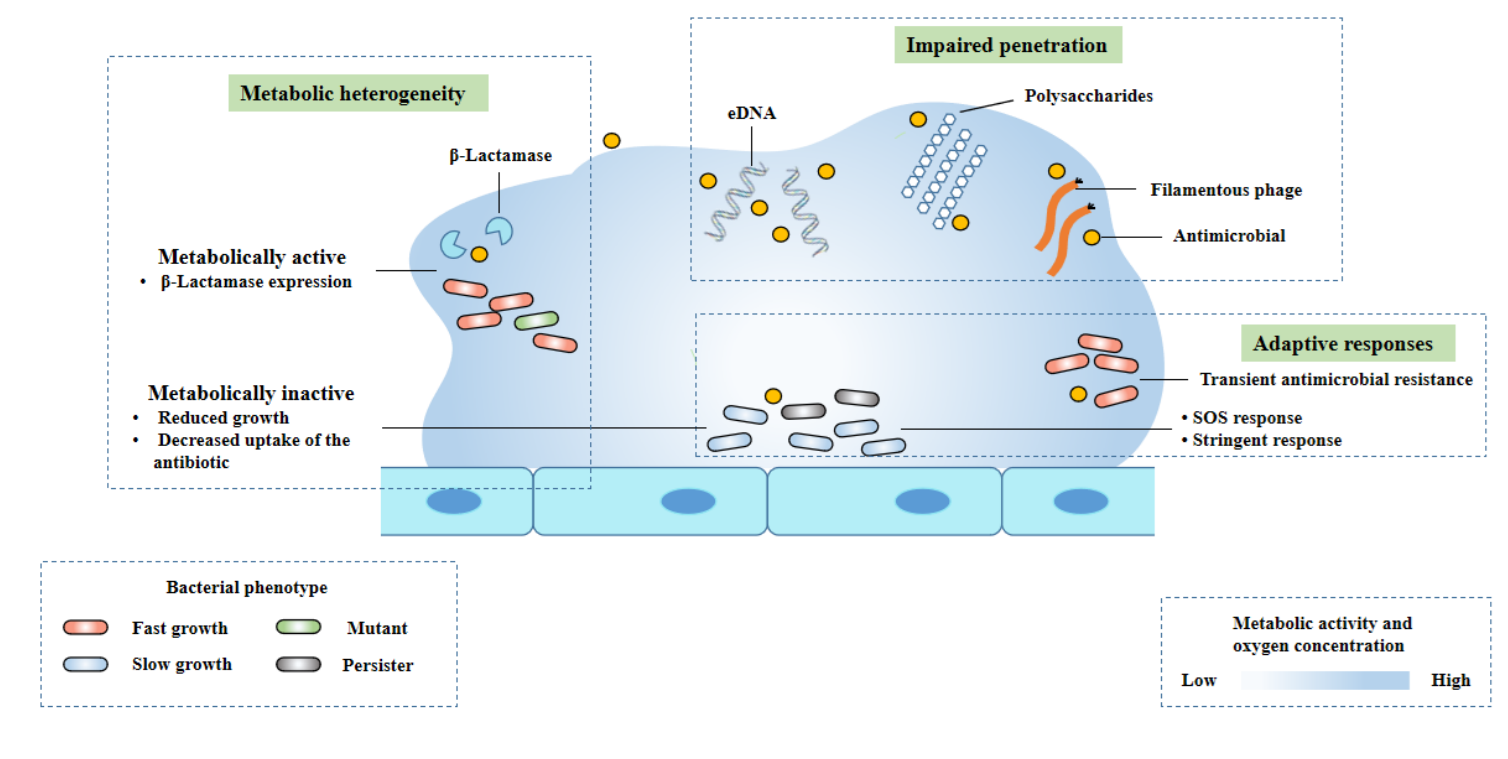
Biofilm tolerance, resistance and infections increasing threat of public health
Shanshan Yang1,3, Xinfei Li1,2, Weihe Cang1,2, Delun Mu1,3, Shuaiqi Ji1,3, Yuejia An1, Rina Wu1,2,3 and Junrui Wu1,2,3
The review explores the role of biofilms in the development of bacterial resistance mechanisms and proposed therapeutic intervention strategies for biofilm related diseases.
From the baker to the bedside: yeast models of Parkinson’s disease
July 27, 2015
The baker’s yeast Saccharomyces cerevisiae has been extensively explored for our understanding of fundamental cell biology processes highly conserved in the eukaryotic kingdom. This review provides a brief historical perspective on the emergence of yeast as an experimental model and on how the field evolved to exploit the potential of the model for tackling the intricacies of various human diseases. In particular, the authors focus on existing yeast models of the molecular underpinnings of Parkinson’s disease (PD), focusing primarily on the central role of protein quality control systems.
Why are essential genes essential? – The essentiality of Saccharomyces genes
July 25, 2015
Essential genes are defined as required for the survival of an organism or a cell. This article reviews and analyzes the levels of essentiality of the Saccharomyces cerevisiae genes and groups the genes into four categories: (1) Conditional essential: essential only under certain circumstances or growth conditions; (2) Essential: required for survival under optimal growth conditions; (3) Redundant essential: synthetic lethal due to redundant pathways or gene duplication; and (4) Absolute essential: the minimal genes required for maintaining a cellular life under a stress-free environment. The essential and non-essential functions of the essential genes are further analyzed.
Membrane depolarization-triggered responsive diversification leads to antibiotic tolerance
July 24, 2015
In this article, the authors discuss the article "Obg and membrane depolarization are part of a microbial bet-hedging strategy that leads to antibiotic tolerance", Verstraeten et al., Mol. Cell 2015 Jul 2; 59 (1): 9-21.
Evolutionary rewiring of bacterial regulatory networks
July 6, 2015
Bacteria have evolved complex regulatory networks that enable integration of multiple intracellular and extracellular signals to coordinate responses to environmental changes. However, our knowledge of how regulatory systems function and evolve is still relatively limited. There is often extensive homology between components of different networks, due to past cycles of gene duplication, divergence, and horizontal gene transfer, raising the possibility of cross-talk or redundancy. Consequently, evolutionary resilience is built into gene networks – homology between regulators can potentially allow rapid rescue of lost regulatory function across distant regions of the genome. This article discusses Taylor, et al. Science (2015), 347(6225), reporting mutations that facilitate cross-talk between pathways can contribute to gene network evolution, but which come with severe pleiotropic costs. Arising from this work are a number of questions surrounding how this phenomenon occurs.
Wanted Plasmodium falciparum, dead or alive
June 23, 2015
In this article, mechanisms of cell death in unicellular parasites are discussed, focussing on “programmed cell death” in Plasmodium.
Yeast as a tool to explore cathepsin D function
June 11, 2015
Cathepsin D has garnered increased attention in recent years, mainly since it has been associated with several human pathologies. This review summarizes how cathepsin D can have both anti- and pro-survival functions depending on its proteolytic activity, cellular context and stress stimulus.
Coordinate responses to alkaline pH stress in budding yeast
May 22, 2015
This review summarizes the modulation of a substantial number of signaling pathways whose participate in the alkaline response in yeast. These regulatory inputs involve not only the conserved Rim101/PacC pathway, but also the calcium-activated phosphatase calcineurin, the Wsc1-Pkc1-Slt2 MAP kinase, the Snf1 and PKA kinases and oxidative stress-response pathways.
Handcuffs for bacteria – NDP52 orchestrates xenophagy of intracellular Salmonella
May 21, 2015
This microreview discusses the article "Autophagy Receptor NDP52 Regulates Pathogen-Containing Autophagosome Maturation" by Verlhac et al. (2015), Cell Host Microbe.
Understanding grapevine-microbiome interactions: implications for viticulture industry
May 4, 2015
This microreview discusses the article "The soil microbiome influences grapevine-associated microbiota" by Zarraonaindia et al. (2015), MBio, which reports that the grapevine-associated microbiota depends on the soil microbiome.