
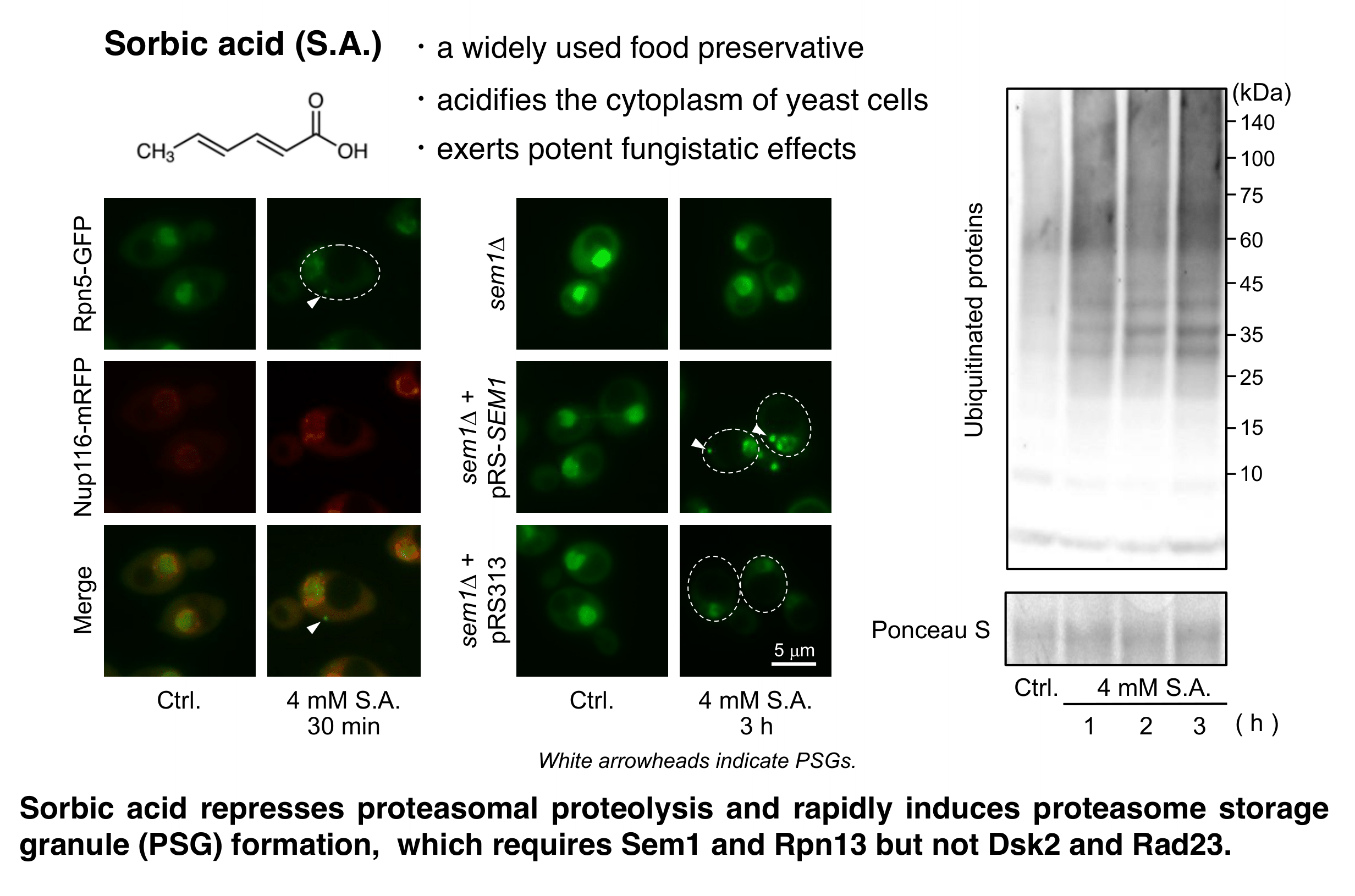
Sorbic acid triggers rapid formation of proteasome storage granules in Saccharomyces cerevisiae
This study demonstrates that sorbic acid, a common food preservative, induces the fastest reported proteasome storage granule (PSG) formation in yeast within 30 min, highlighting differences from other PSG-inducing conditions like acetic acid stress.

Saccharomyces cerevisiae in cancer research: modeling tumor biology and enabling drug discovery
By combining genetic tractability with conservation of key cellular pathways, Saccharomyces cerevisiae is emerging as a versatile model for cancer biology and a scalable platform for identifying therapeutic targets and vulnerabilities.

A time-resolved high-throughput screening of fission yeast deletion mutants for oxidative stress resistance
By capturing dynamic trajectories rather than static outcomes, this study exposes hidden layers of growth under oxidative stress and identifies new genetic determinants of cellular resilience in fission yeast.
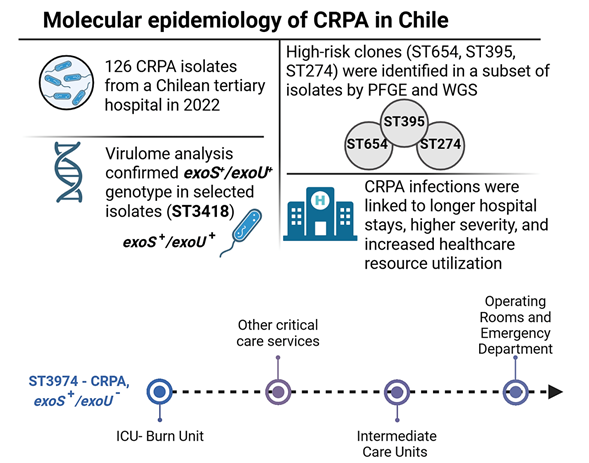
Clonal spread and environmental persistence of carbapenem-resistant high-risk Pseudomonas aeruginosa in critical-care units of a Chilean national referral center for burn and trauma patients (2022)
This study highlight the circulation of high-risk P. aeruginosa clones in Chile and underscore the importance of molecular epidemiology in guiding infection control, optimizing antimicrobial therapy, and mitigating the clinical and economic burden of CRPA.
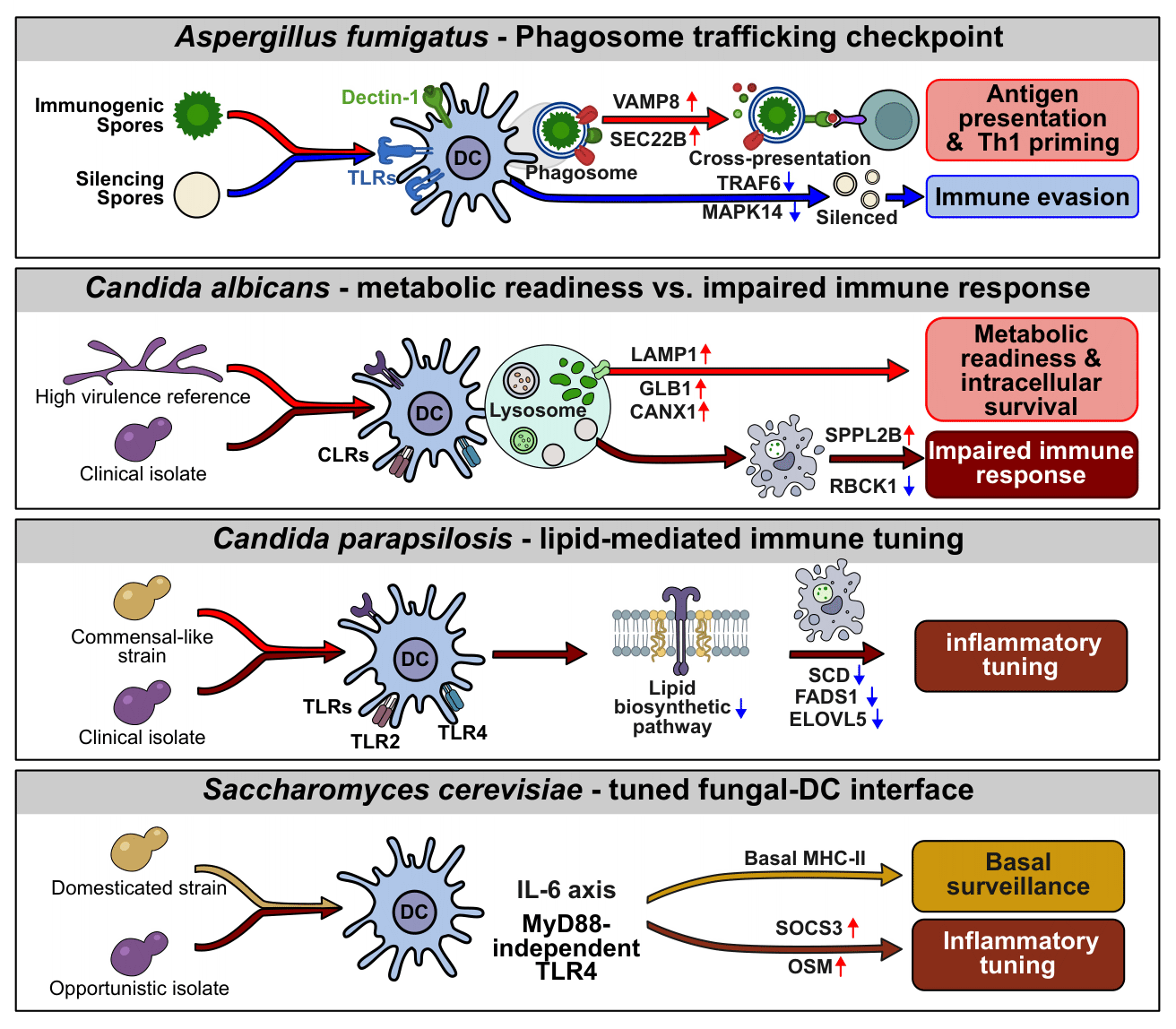
The transcriptome of dendritic cells redraws the boundaries between pathogenicity and commensalism in yeast
Our immune system meets many fungi, but reacts strongly to only a few. The comparison of key fungal species showed that responses differ mainly in timing and not just genes, highlighting the need to rethink what makes fungi harmful vs. harmless.

Sorbic acid triggers rapid formation of proteasome storage granules in Saccharomyces cerevisiae
Tanaka et al.This study demonstrates that sorbic acid, a common food preservative, induces the fastest reported proteasome storage granule (PSG) formation in yeast within 30 min, highlighting differences from other PSG-inducing conditions like acetic acid stress.
Saccharomyces cerevisiae in cancer research: modeling tumor biology and enabling drug discovery
Assalve et al.By combining genetic tractability with conservation of key cellular pathways, Saccharomyces cerevisiae is emerging as a versatile model for cancer biology and a scalable platform for identifying therapeutic targets and vulnerabilities.
A time-resolved high-throughput screening of fission yeast deletion mutants for oxidative stress resistance
Pirsalehi et al.By capturing dynamic trajectories rather than static outcomes, this study exposes hidden layers of growth under oxidative stress and identifies new genetic determinants of cellular resilience in fission yeast.
Clonal spread and environmental persistence of carbapenem-resistant high-risk Pseudomonas aeruginosa in critical-care units of a Chilean national referral center for burn and trauma patients (2022)
Ibarra et al.This study highlight the circulation of high-risk P. aeruginosa clones in Chile and underscore the importance of molecular epidemiology in guiding infection control, optimizing antimicrobial therapy, and mitigating the clinical and economic burden of CRPA.
The transcriptome of dendritic cells redraws the boundaries between pathogenicity and commensalism in yeast
Rizzetto et al.Our immune system meets many fungi, but reacts strongly to only a few. The comparison of key fungal species showed that responses differ mainly in timing and not just genes, highlighting the need to rethink what makes fungi harmful vs. harmless.
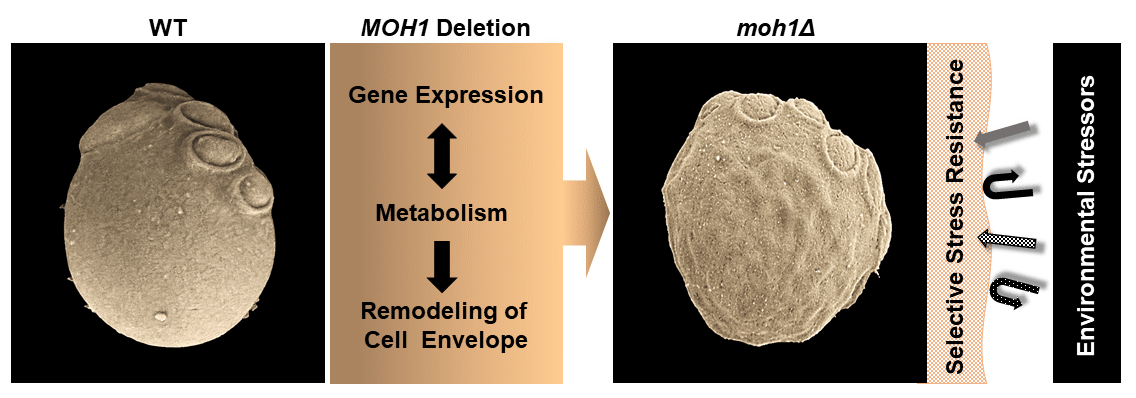
Yippee-like protein Moh1 links gene expression to metabolism and selective stress resistance in Saccharomyces cerevisiae
Olgun et al.This study demonstrates that the conserved yeast protein Moh1 links metabolism, gene expression, and cell structure, thereby altering cell envelope permeability and leading to selective stress responses.
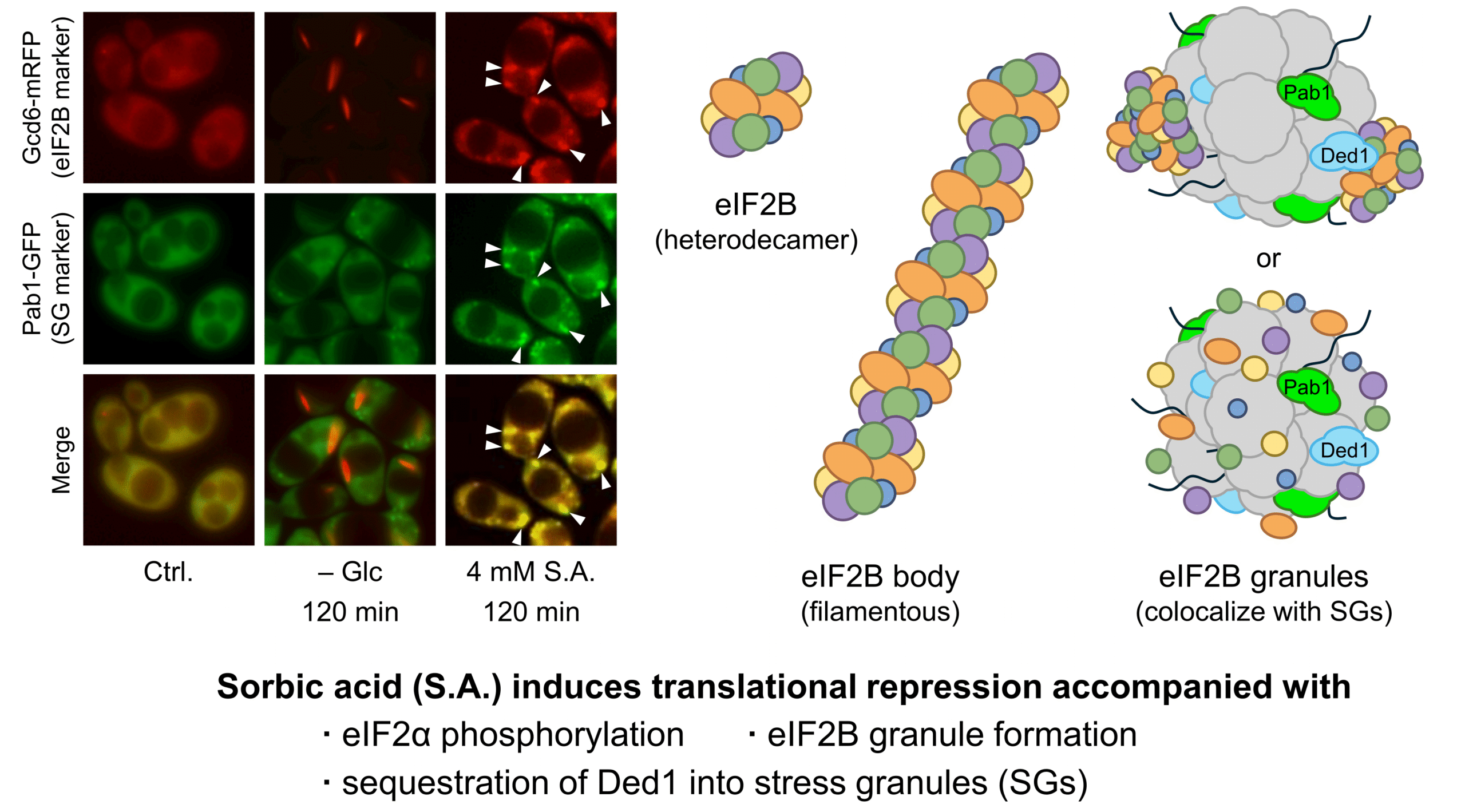
Fungistatic effect of sorbic acid on yeast cells via translational repression involving eIF2α phosphorylation and formation of Ded1- and eIF2B-granules
Yoshiyama et al.The findings of this study provide new insights into the physiological effects of sorbic acid on yeast cells, specifically regarding the regulation of translation-related factors.
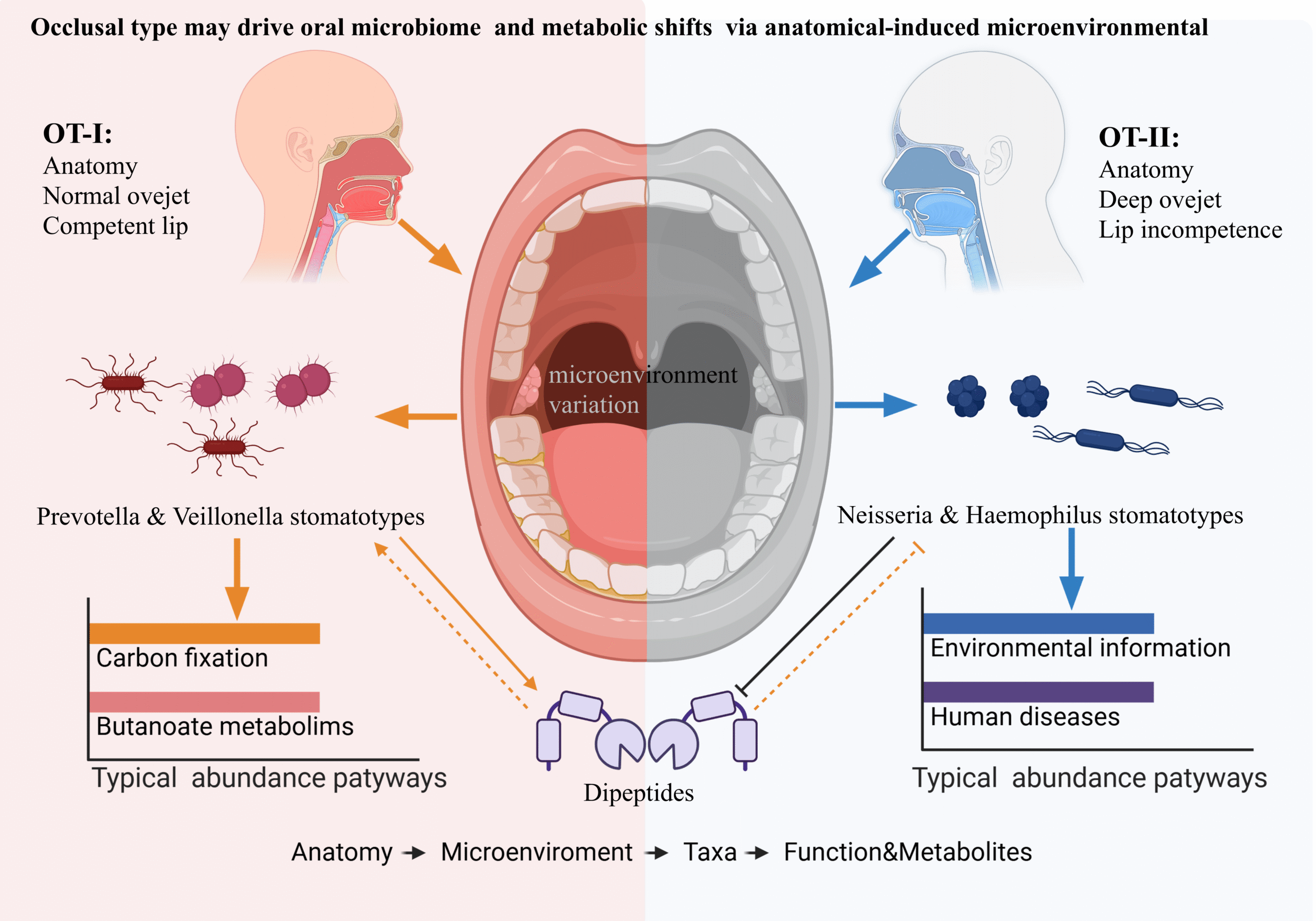
Occlusal types shape oral microbiome stomatotypes and metabolic landscapes: A multi-omics perspective on host-microbe interaction
Duan et alThis study reveals how occlusal types shape oral microbiome “stomatotypes” and metabolic profiles in adolescents. It offers fresh insights that host anatomy drives microecology which may be associated with personalized oral health.

Prohibitins: emerging host targets of bacteria and viruses at the plasma membrane, mitochondria, and cytoplasm
Rivera-Palomino and TheissProhibitins are emerging as central host hubs exploited by bacteria and viruses to rewire signaling and mitochondrial dynamics. The current review discusses Prohibitins in host-pathogen interplay and their potential as novel anti-infective targets.
Landscapes and bacterial signatures of mucosa-associated intestinal microbiota in Chilean and Spanish patients with inflammatory bowel disease
Chamorro et al.This study investigates the landscapes and alterations of mucosa-associated intestinal microbiota in patients with inflammatory bowel diseases, which cause chronic inflammation of the gut, including ulcerative colitis and Crohn’s disease.
Genome, transcriptome and secretome analyses of the antagonistic, yeast-like fungus Aureobasidium pullulans to identify potential biocontrol genes
Rueda-Mejia et al.This study highlights the value of a sequential approach starting with genome mining and consecutive transcriptome and secretome analyses in order to identify a limited number of potential target genes for detailed, functional analyses in Aureobasidium pullulans.
Proanthocyanidin-enriched cranberry extract induces resilient bacterial community dynamics in a gnotobiotic mouse model
Neto et al.This study investigates the effect of a water-soluble, proanthocyanidin-rich cranberry juice extract on the short-term dynamics of a human-derived bacterial community in a gnotobiotic mouse model.
Dry biocleaning of artwork: an innovative methodology for Cultural Heritage recovery?
Ranalli et al.This work proposes an innovative methodology based on applied biotechnology for the recovery of altered stonework: the “dry biocleaning”, which envisages the use of dehydrated microbial cells without the use of free water or gel-based matrices.
Aeration mitigates endoplasmic reticulum stress in Saccharomyces cerevisiae even without mitochondrial respiration
Phuong et al.This work demonstrates a scenario, in which aeration acts beneficially on Saccharmyces cerevisiae cells even under fermentative conditions.
A novel BR-SMAD is required for larval development in barber’s pole worm Haemonchus contortus
Li et al.The herein presented results show a BMP-like receptor-regulated SMAD in Haemonchus contortus that is required for larval differentiation and underscore an adaptive functional repurposing of BMP-signaling in parasitic worms.
Nutrient sensing and cAMP signaling in yeast: G-protein coupled receptor versus transceptor activation of PKA
Van Zeebroeck et al.The herein presented work supports a model, in which nutrient transceptors are evolutionary ancestors of GPCRs, employing a more primitive direct signaling mechanism compared to the indirect cAMP second-messenger signaling mechanism used by GPCRs for activation of PKA.
Novobiocin inhibits membrane synthesis and vacuole formation of Enterococcus faecalis protoplasts
Tsuchikado et al.In this study Tsuchikado et al. show that DNA replication is crucial for plasma membrane biosynthesis and vacuole formation in Enterococcus faecalis protoplasts. Novobiocin inhibits DNA replication, blocking cell enlargement and vacuole formation. Extended treatment prevents re-enlargement after removal.
Live fast, die fast principle in a single cell of fission yeast
NakaokaThis article comments on a recent study (Nakaoka and Wakamoto, PLoS Biol, 2017), which developed a microfluidics-based platform to track multiple single cell lineages until death.
Out with the old: Hsp90 finds amino acid residue more useful than co-chaperone protein
Zuehlke and NeckersThis article comments on work published by Zuehlke et al (Nat Commun, 2017), which demonstrates that the function of one co-chaperone in yeast is replaced by posttranslational modification (PTM) of a single amino acid within Hsp90 in higher eukaryotes.
Having your cake and eating it – Staphylococcus aureus small colony variants can evolve faster growth rate without losing their antibiotic resistance
Gerrit Brandis et al.This article comments on work published by Cao et al. (mBio, 2027), which shows that Staphylococcus aureus can produce small colony variants (SCVs) that are challenging to detect and lead to persistent infections due to mutations affecting respiration and ATP production, with recent findings indicating various evolutionary paths for SCVs to increase growth rate while maintaining antibiotic resistance, suggesting greater adaptability and clinical challenge.
The interplay between transcription and mRNA degradation in Saccharomyces cerevisiae
Das et al.This review summarizes how the integration of mRNA synthesis and degradation, mediated by specialized promoters and “coordinators,” shapes the cellular transcriptome and plays a significant role in regulating gene expression profiles in various biological processes and potentially enhances evolutionary rates.
Inhibitors of glycosomal protein import provide new leads against trypanosomiasis
Kalel et alThis article comments on work published by Dawidowski et al. (Science, 2017), which provides the grounds for further development of the glycosome inhibitors into clinical candidates and validates the parasite protein-protein interactions as drug targets.
Protein aggregation triggers a declining libido in elder yeasts that still have a lust for life
CaudronThis article comments on work published by Schlissel et al (Science 2017), showing that aging in yeast does not lead to the expected loss of heterochromatin silencing due to Sir2 inactivity, but rather to reduced mating pheromone sensitivity caused by the aggregation of the RNA-binding protein Whi3, which can be reversed by eliminating Whi3’s polyglutamine domain.
Means of intracellular communication: touching, kissing, fusing
SpangThis work highlights different aspects of communication between organelles, including the importance of organellar contact sites.
Neuropathogenesis caused by Trypanosoma brucei, still an enigma to be unveiled
FigarellaThis Editorial addresses the meningo-encephalitic stage of Trypanosoma brucei infection and the resultig neuropathogenesis as well as the impact that the application of tools developed in the last years in the field of neuroscience will have on the study of neglected tropical diseases.
Lichens – growing greenhouses en miniature
GrubeThis commentary article provides an overview on different aspects of lichen biology and the remarkable symbiotic association between fungi and algae.
Regulation of the mitochondrial permeability transition pore and its effects on aging
Pellegrino-CoppolaAging is linked to mitochondrial function, with the mitochondrial permeability transition pore (mPTP) playing a key role. Yeast is a useful model for studying how mPTP affects cell survival, aging, and related diseases.
Fungal infections in humans: the silent crisis
Kainz et al.This article highlights the growing global threat of fungal infections – exacerbated by rising drug resistance and medical practices – and emphasizes the urgent need for intensified research to develop more effective antifungal strategies.
Digesting the crisis: autophagy and coronaviruses
Carmona-Gutierrez et al.This article reviews the multifaceted role of autophagy in antiviral defense and highlights how coronaviruses, including SARS-CoV-2, interact with this pathway, raising the possibility that targeting autophagy could offer novel therapeutic strategies against COVID-19.
Can’t find what you’re looking for?
You can browse all our issues and published articles here.
FAQs
Peer-reviewed, open-access research using unicellular organisms (and multicellular microorganisms) to understand cellular responses and human disease.
The journal (founded in 2014) is led by its Editors-in-Chief Frank Madeo, Didac Carmona-Gutierrez, and Guido Kroemer
Microbial Cell has been publishing original scientific literature since 2014, and from the very beginning has been managed by active scientists through an independent Publishing House (Shared science Publishers). The journal was conceived as a platform to acknowledge the importance of unicellular organisms, both as model systems as well as in the biological context of human health and disease.
Ever since, Microbial Cell has very positively developed and strongly grown into a respected journal in the unicellular research community and even beyond. This scientific impact is reflected in the yearly number of citations obtained by articles published in Microbial Cell, as recorded by the Web of Science (Clarivate, formerly Thomson/Reuters):

The scientific impact of Microbial Cell is also mirrored in a series of milestones:
2015: Microbial Cell is included in the Emerging Sources Citation Index (ESCI), a selection of developing journals drafted by Clarivate Analytics based on the candidate’s publishing standards, quality, editorial content, and citation data. Note: As an ESCI-selected journal, Microbial Cell is currently being evaluated in a rigorous and long process to determine an inclusion in the Science Citation Index Expanded (SCIE), which allows the official calculation of Clarivate Analytics’ impact factor.

2016: Microbial Cell is awarded the so-called DOAJ Seal by the selective Directory of Open Access Journals (DOAJ). The DOAJ Seal is an exclusive mark of certification for open access journals granted by DOAJ to journals that adhere to outstanding best practice and achieve an extra high and clear commitment to open access and high publishing standards.

2017: Microbial Cell is included in Pubmed Central (PMC), allowing the archiving of all the journal’s articles in PMC and PubMed.

2019: Microbial Cell is indexed in the prestigious abstract and citation database Scopus after a thorough selection process. This also means that Microbial Cell obtains, for the first time, an official Scopus CiteScore as well as an official journal ranking in the Scimago Journal and Country Ranking.

2022: Microbial Cell’s CiteScore reaches a value of 7.2 for the year 2021, positioning Microbial Cell among the top microbiology journals (previously available CiteScores: 2019: 5.4; 2020: 5.1).

2022: Microbial Cell is indexed in the highly selective Science Citation Index Expanded™, which covers approx. 9,500 of the world’s most impactful journals across 178 scientific disciplines. In their journal selection and curation process, Clarivate´s editors apply 24 ‘quality’ criteria and four ‘impact’ criteria to select the most influential journals in their respective fields. This selection is also a pre-requisite for inclusion in the JCR, which features the impact factor.

2022: Microbial Cell is listed in the Journal Citation Reports™ (JCR), and obtains its first official Journal Impact Factor™ (JIF) for the year 2021: 5.316.Check Article Types and Manuscript Preparation guidelines. Submit online via Scholastica.
The long and winding road of reverse genetics in Trypanosoma cruzi
Chiurillo and LanderThis Editorial provides a brief historic overview that highlights the strengths and weaknesses of the molecular strategies that have been developed to genetically modify Trypanosoma cruzi, emphasizing the future directions of the field.